- 3 min reading
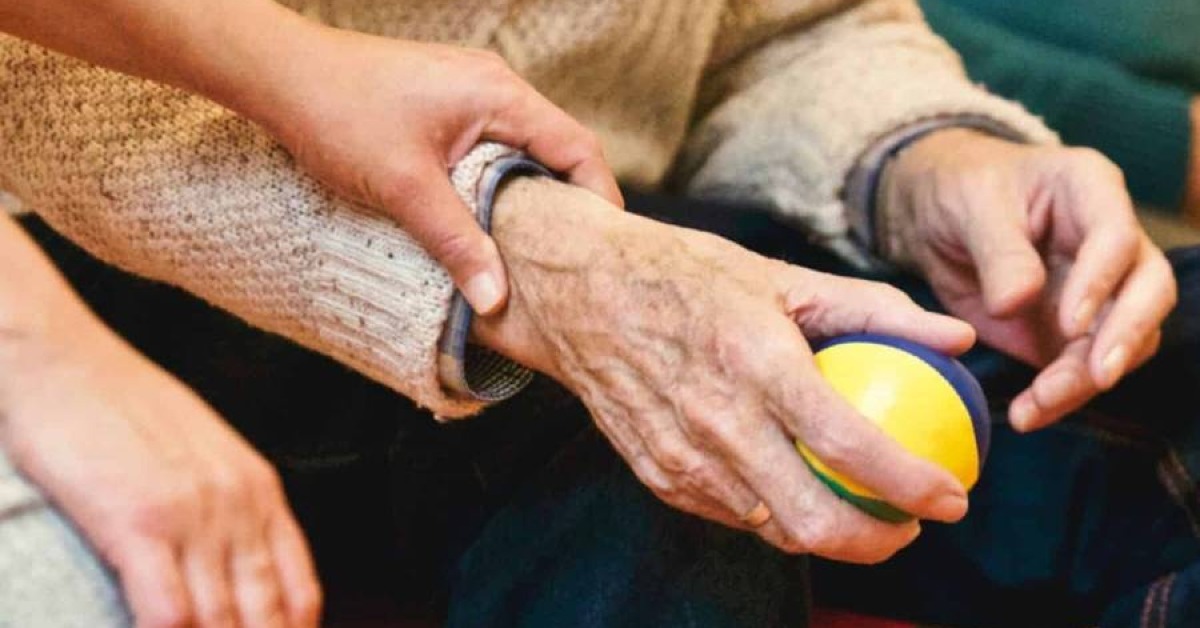
By the time a municipality starts looking for more elderly care places, the need is usually already real. So yes - speed matters.
But it is not the only thing that matters.
For the people who will actually live there, the needs and questions are different. Will I feel safe and like I’m at home? Will I be able to move around? Can my relatives visit me without the place feeling like a hospital? Will I have somewhere pleasant to sit, eat, talk, rest, or just have a normal day?
In elderly care, extra space is never just extra space, and it’s certainly about much more than the number of rooms. And that sounds simple! But if you have any experience in elderly care – perhaps because a loved one is currently in one – you know that it’s all about the residents’ experience, and whether the place feels reassuring or just difficult.
Planning a space where people can live
We’re people who are very nerdy about our modules, but if it’s one time when the technical side of things can’t be the starting point, it’s when we plan care homes. Our priority is to plan it from the resident’s perspective first.
First of all: Safe, not institutional. Handrails, ramps and slip-resistant floors are a given. And while acoustics might not be the first thing on everyone’s mind, it is very much on ours. None of this is about adding special features for the sake of it, because if a corridor feels confusing – it matters! If getting outside is complicated – it matters too!
But hear us out: Safe doesn’t have to feel cold. The difference is in the details. Colours and materials can decide whether a room feels like a home or like a facility. It’s not hard – or expensive for that matter - to change a wall colour to a warm green or a calm blue (and take a step away from the clinical white).
A bright room, pleasant, shared spaces and comfortable outdoor areas can make all the difference.
A place where your loved one can feel good
Yes, how welcoming a care home feels will absolutely matter to relatives too. They might not spend every day and night there, but if they’re going to feel comfortable having the elderly mum or dad there – the space matters.
It’s a big step for the whole family when someone moves into elderly care. When relatives visit, the environment sends a message. If the place feels calm, cared for and welcoming, it can create confidence. If it feels temporary or clinical, it can do the exact opposite.
And let’s just quickly address a common misperception. Modular elderly care buildings can sometimes be misunderstood. Flexibility does not have to mean “temporary” in how the building feels. Our experience is that the modular care home can feel just as bright, accessible and homely as they might be in a permanent building. (If not more so, since we can tailor them.)
The building has to work for staff too
A care home is, of course, also a workplace. And in elderly care, the building can either support the work or quietly make it harder. Staff will notice if routes are too long, when spaces are hard to supervise, or when rooms are difficult to work in. Small inefficiencies repeat themselves all day, every day.
This means that a good layout is important, as it helps care flow more naturally. It makes it easier to move between tasks and support residents safely. The resident experience and the staff experience are connected. When the building works better for staff, it often works better for residents too.
Speed matters when needs cannot wait
We have to say something about the speed, don’t we?
Needs can change faster than expected, and traditional buildings can’t always keep up – that's the reality. When it comes to elderly care, waiting for years is hardly an option.
In Laholm, Sweden, the old elderly care home in Våxtorp was considered economically unsustainable to renovate. The municipality needed a faster solution and, together with Adapteo, created 40 new care places in modern premises without compromising safety, working environment or function.
Flexible buildings give municipalities and care providers more room to respond. This is, of course, essential for residents and staff, because it means capacity can be created closer to when and where it is actually needed.
Hint: We’re super-fast.
The best flexible care environments should not feel like a compromise, but like well-planned places for real daily life. The truth is that elderly care homes are not judged by how they were built, but how they run and function and work for the people inside: the person walking [safely] to lunch, the relative stopping by for coffee, the staff member finishing a shift.
And then perhaps a little by the municipality that knows it has created room for care when people needed it.