Procurement, permits and regulations can feel complex, especially when timelines are tight. Adapteo can guide you through the whole process: from early planning to final approval.
Understanding the regulatory landscape
Modular buildings follow the same regulatory framework as traditional construction. National building regulations, Eurocodes, local statutory requirements and building control processes apply, regardless of how the building is produced.
That means requirements for structural safety, fire safety, energy performance, accessibility and indoor climate still need to be met.
Temporary or relocatable does not mean lower quality. A modular building must be safe, compliant and fit for everyday use.

What compliance means with Adapteo
Structural design in line with applicable Eurocodes
Compliance with national and local building requirements
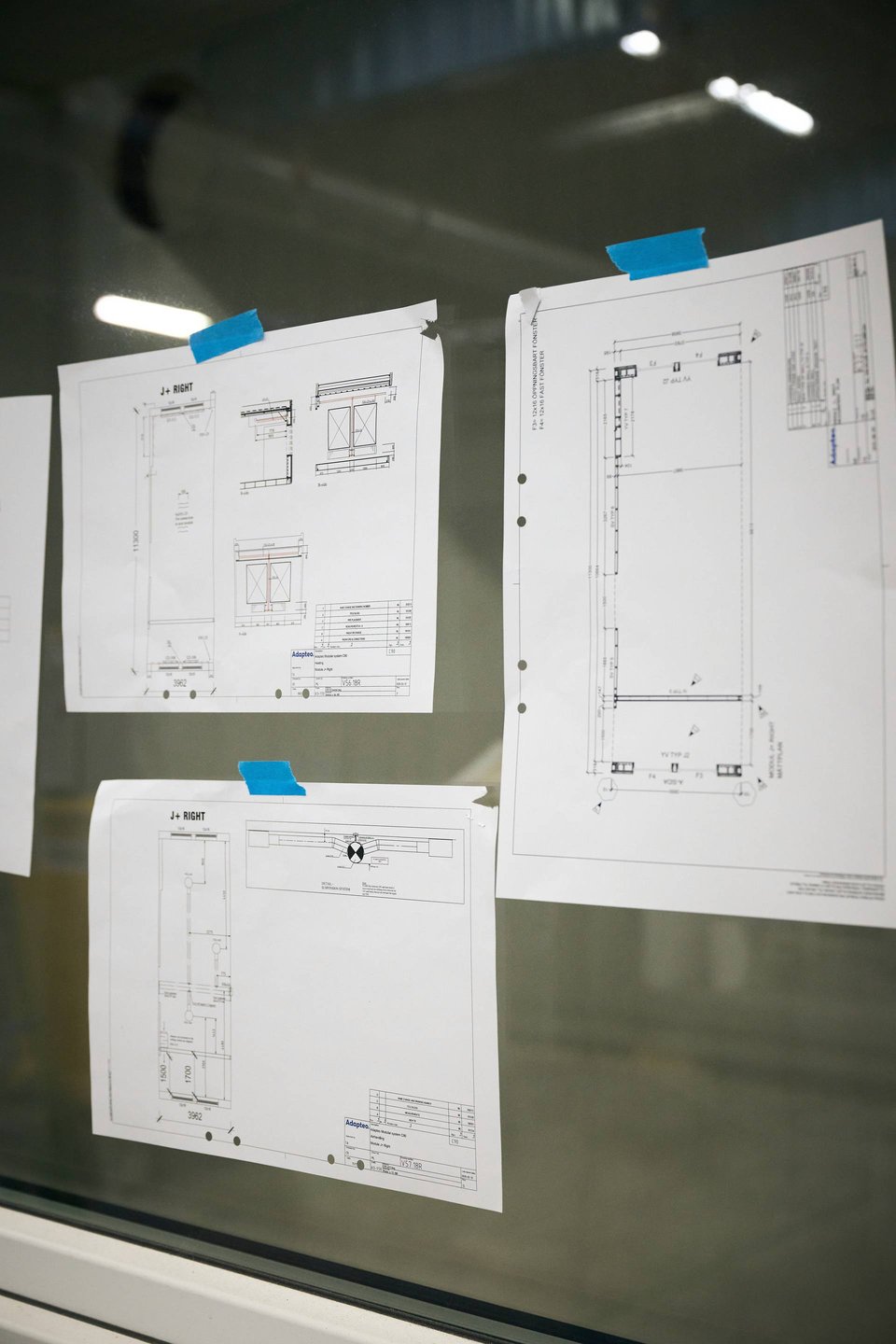
Technical documentation for permits and building control
Buildings designed for safety, comfort and long-term use
Public procurement and framework agreements
Public-sector projects need clear specifications, transparent evaluation criteria and reliable documentation. Adapteo supports municipalities, regions and government agencies through the procurement process.
For rental projects, function-based procurement can be a good fit. Instead of specifying every technical detail, the tender can describe what the building needs to support, such as classrooms, care rooms, accessibility, indoor climate or delivery time.
Framework agreements can also make procurement easier. When a supplier is already included in an approved framework, organisations can often move faster and reduce administrative work.
Green Public Procurement (GPP)
Sustainability is now part of many public tenders. Procurement teams are often expected to consider climate impact, circularity, resource efficiency and lifecycle performance.
Adapteo’s modular buildings are designed to be reused. When one project ends, modules are refurbished and relocated for the next project. This helps reduce the need for new materials and supports more circular use of public resources.
Planning permissions and building permits
The permitting process for modular buildings follows the same basic route as traditional construction. Building permits, planning approval and technical documentation are usually required.
Many modular buildings are approved through temporary permits, often for five to ten years. These can sometimes be faster to obtain, depending on the municipality and project. They may also require a plan for how the site will be restored after use.
Adapteo helps prepare the information needed so the project can move forward with fewer delays.
The process usually follows three steps
Site assessment
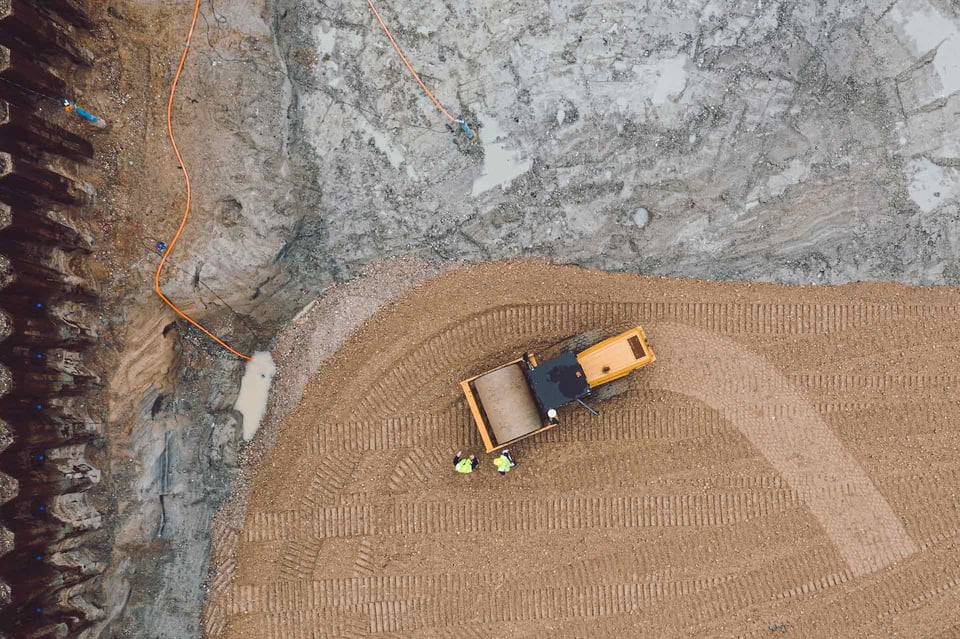
Ground conditions, access, utilities and local planning requirements are reviewed early to confirm whether the location is suitable.
Documentation
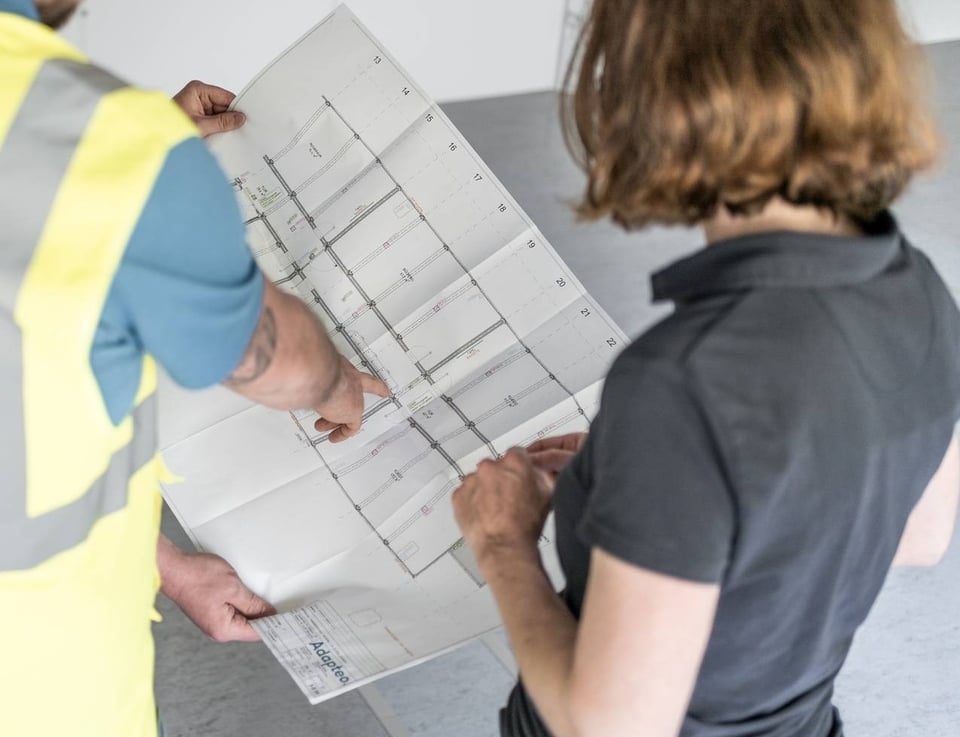
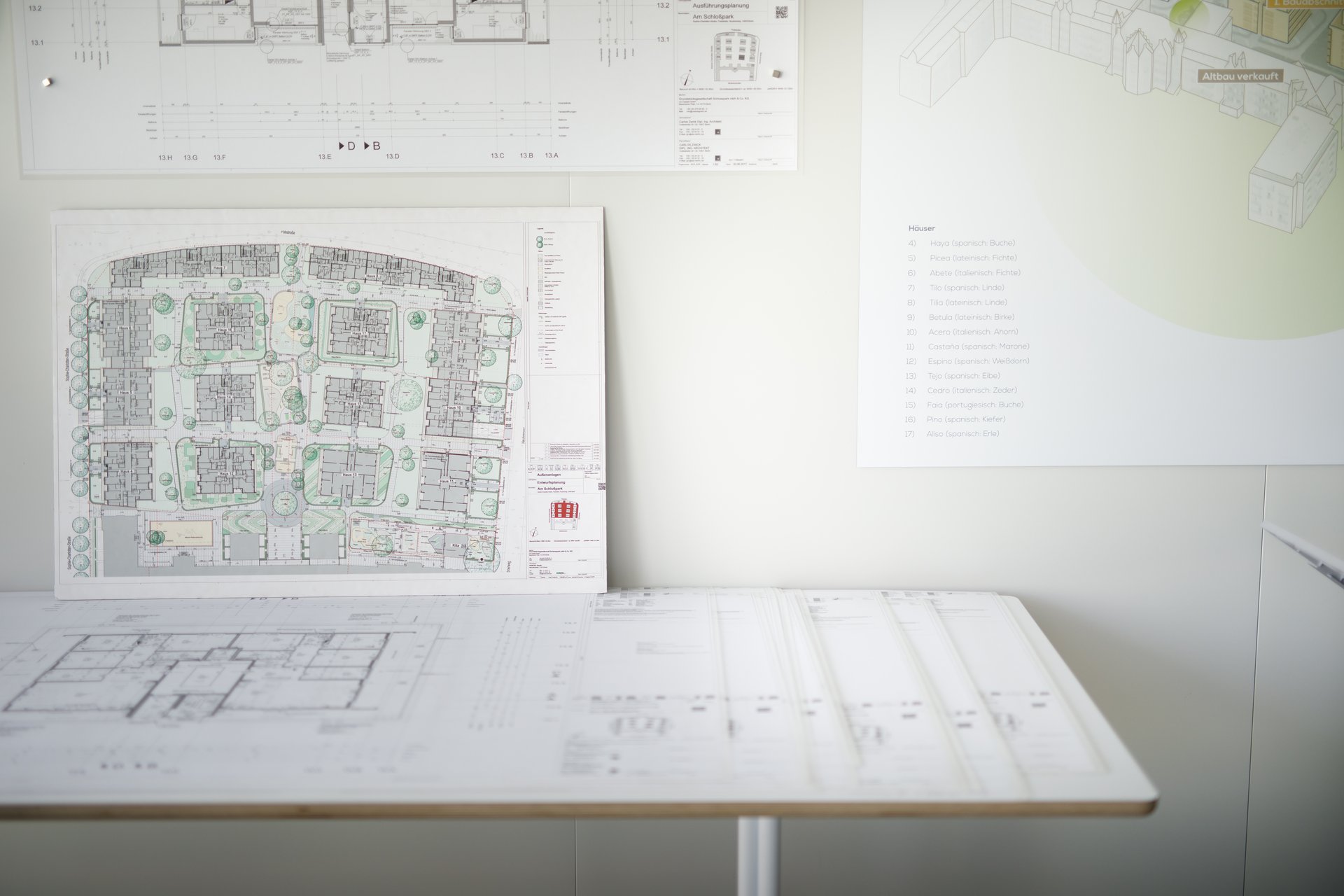
Architectural drawings, structural calculations, energy information and other technical documents are prepared for the permit process.
Submission and approval
The application is submitted to the relevant authority. Any questions or clarifications are handled before approval and building control.
Technical compliance and safety standards
Modular buildings must meet the same safety and building requirements as other regulated construction projects. The difference is not in the standard, but in how the building is designed, produced and assembled.
Adapteo’s buildings are planned around the requirements that matter most for safe, comfortable everyday use.
Structures, escape routes and alarm systems are planned according to relevant fire safety requirements.
Energy performance
Insulation, airtightness and technical systems are designed to meet national energy performance requirements.
Ventilation and indoor climate
Ventilation, air quality and thermal comfort are planned for safe, comfortable everyday use.
Accessibility
Entrances, sanitary facilities, ramps, lifts and layouts can be planned to meet accessibility requirements for the building's intended use.
Rent vs. buy: procurement differences
The procurement route can differ depending on whether an organisation rents or buys the building.
When a building is purchased, the organisation usually takes long-term responsibility for ownership, maintenance, upgrades and future use. When a building is rented, capacity can be added for as long as it is needed, without committing to permanent ownership.
Rental models are useful when needs may change, budgets are planned as operating expenditure or the building may later need to be expanded, reduced, upgraded or relocated.
Read more about how rental and ownership models affect long-term costs in our section on ROI and total cost of ownership.
FAQ – Procurement & regulations
Quick answers about permits, compliance and procurement for modular buildings.
Do I need planning permission for a modular building?
In most cases, yes. Modular buildings usually require planning permission or a building permit, depending on the country, municipality, intended use and how long the building will remain on site.
How long does the building permit process take?
Timelines vary by municipality, project size and permit type. Temporary permits can sometimes be faster than permanent permits, but the process depends on local requirements and documentation.
Are modular buildings compliant with permanent building codes?
Yes. Modular buildings must meet the same relevant building regulations and safety standards as traditional construction.
What is the lifespan of a modular building?
A high-quality modular building can be used for many years and across several life cycles. Adapteo's modules have a structural service life of more than 50 years and can be refurbished and reused across multiple projects.
What is the downside of modular?
Modular construction still requires planning, permits, site preparation and technical coordination. The advantage is that many of these factors can be managed early with the right partner.
Let us make the process simpler
Procurement, permits and regulatory requirements can feel complex. Our experts help you understand what's needed, prepare the right documentation and move your project forward.