Circular by design

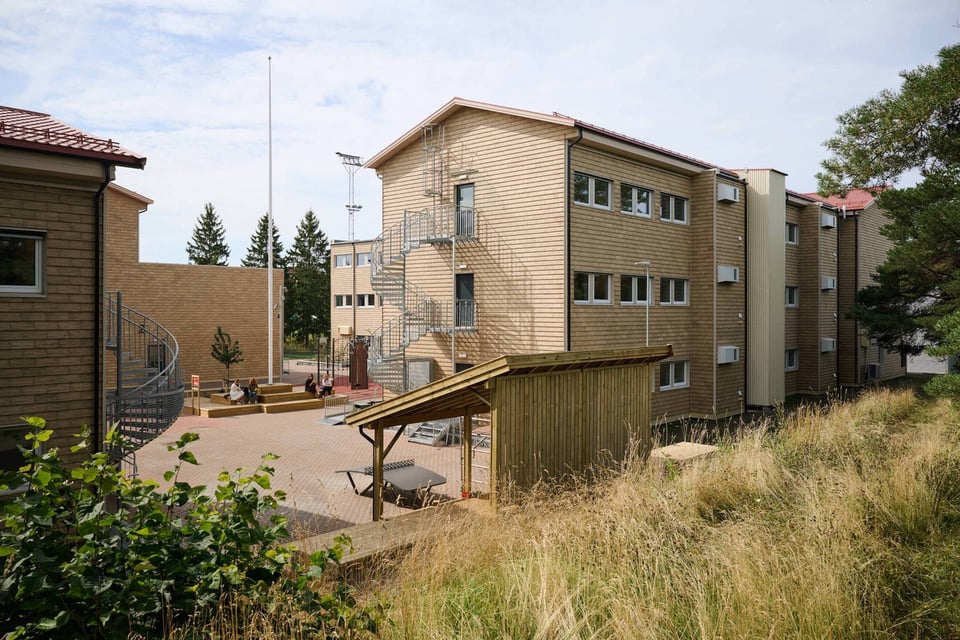
Adapteo's modular buildings are made to evolve. They can be installed, moved, refurbished and used again, keeping valuable materials in circulation for longer. That makes modular construction a practical way to reduce waste and support your climate goals, without compromising on the quality, comfort or functionality of the spaces people rely on every day.
Modular building designed for long-term use

Adapteo's Science-Based Targets

Adapteo’s climate goals are validated as Science Based Targets, in line with the Paris Agreement, with a net zero commitment by 2040 and a near-term target to phase out fossil energy and fuels across own operations by 2030.

The Science Based Targets Initiative (SBTi) is the international gold standard for validating corporate climate targets. In September 2025, SBTi approved Adapteo Group’s near-term and long-term science-based targets. This makes Adapteo one of the first companies in its sector with validated targets. Approval means that independent experts have confirmed that Adapteo’s climate plan is aligned with the latest science and the 1.5°C pathway. Adapteo’s SBTs have been developed in accordance with the net-zero corporate standard (2024) and the building sector guidance (2024). 
SBTi validated

Climate targets approved by the Science Based Targets initiative.

Net zero by 2040

A long-term commitment across the value chain.

Built into the lifecycle

Climate data informs design, procurement and refurbishment decisions.

Sustainabillity Report 2025

In 2025, Adapteo has proven what high‑quality modular buildings can do for a resilient, low‑carbon Europe. Our spaces kept schools, healthcare, worker accommodation and critical industrial projects running, while our circular model focused on reusing modules, extending lifetimes and cutting embodied carbon. The report sets out validated science‑based climate targets to 2040, our new Circularity Index for measuring material loops, and a Social Value Creation Model that links modular space to real outcomes for communities. It also details how green financing, governance, and culture now anchor sustainability in every major decision.

It's all here.
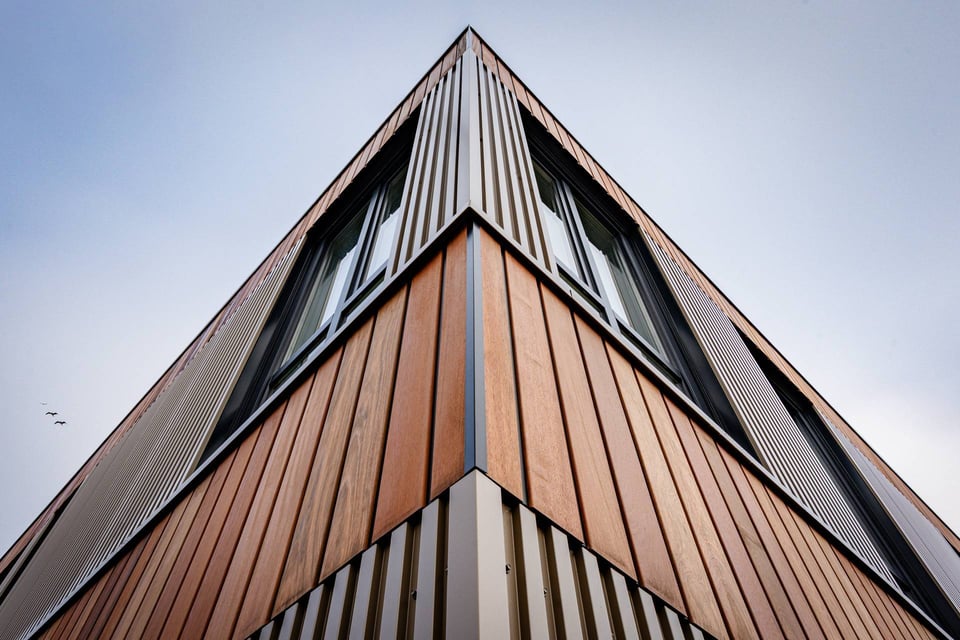
Wood-based modular building detail

Life Cycle Assessment & Environmental Product Declaration

A Life Cycle Assessment looks at the environmental impact of a building across its life, from materials and production to use, reuse and end-of-life. We use LCA data to understand what makes the biggest difference and where we can improve, from design and materials to refurbishment.

The impact of reuse is clear. Reused Adapteo modules can have up to 96% lower embodied carbon than a new permanent building. New Adapteo modules can have up to 60% lower embodied carbon than a new permanent building.

EPDs, or Environmental Product Declarations, add another layer of proof by giving verified environmental data for building products.
Up to96%

Lower embodied carbon in reused Adapteo modules compared with a new permanent building.

Up to60%

Lower embodied carbon in new Adapteo modules compared with a new permanent building.

Exterior of reusable modular building

Helping you tackle Scope 3 emissions

For many organisations, buildings and construction sit inside Scope 3 emissions. That means the way you create new space can affect your reported climate footprint. Adapteo helps reduce that impact by keeping buildings in use. Instead of demolishing after one project, modules can be moved, refurbished and used again.

For your organisation, that can mean fewer new materials, less construction waste and better data for climate reporting.
Where reuse makes a difference

Less new production

Reuse reduces the need for new materials.

Less waste

Modules are dismantled and refurbished, not demolished.

Better reporting

Lifecycle data supports procurement and sustainability work.

Certifications, ratings and green building standards

Sustainability needs proof. That's why our work is supported by certified management systems, recognised third-party ratings, and commitments that help guide how we work.

Adapteo is certified according to ISO 9001, ISO 14001 and ISO 45001 across the group. These certifications support quality management, environmental management and occupational health and safety.

EcoVadis and GRESB are third-party assessments of sustainability performance, while UN Global Compact reflects Adapteo's commitment to responsible business principles.

For building projects, documentation such as LCA data, energy calculations and material information can also support green building standards and certification processes, depending on the project scope and local requirements.

ISO 14001

Certified management system

Environmental management

ISO 9001

Certified management system

Quality management

ISO 45001

Certified management system

Health and safety

EcoVadis Platinum

Third-party rating

ESG performance assessment

GRESB

Third-party rating

ESG performance assessment

UN Global Compact

Commitment

Responsible business principles

DNV_eCertMark_forManagementSysCert_ISO9001_14001_45001
EcoVadis_Platinum_RGB
GRESB_Infrastructure_H_Color
SBTi-NZ_logo_RGB-1
UNGC_logo

Contributing to your SDG targets

For municipalities and public-sector organisations, sustainability targets need practical solutions. Buildings are a good place to start.

Adapteo's circular model supports selected UN Sustainable Development Goals by reducing waste, keeping materials in use and creating spaces for education, care, work and community life.

SDG 3 Good health and well-being

Modular buildings can support healthcare, care and healthy indoor environments.

SDG 4, Quality education

Schools and daycare buildings help communities respond to changing education needs.

SDG 9, Industry, innovation and infrastructure

Flexible modular buildings support resilient infrastructure and more resource-efficient construction.

SDG 11, Sustainable cities and communities

Reusable buildings support resilient public infrastructure and the built environment.

SDG 12, Responsible consumption and production

Circular use reduces waste and keeps materials in circulation.

SDG 13, Climate action

Reuse and lifecycle thinking can reduce building-related emissions.

Minimising the carbon footprint

A building's climate impact comes from both how it is built and how it is used. Adapteo works on both.
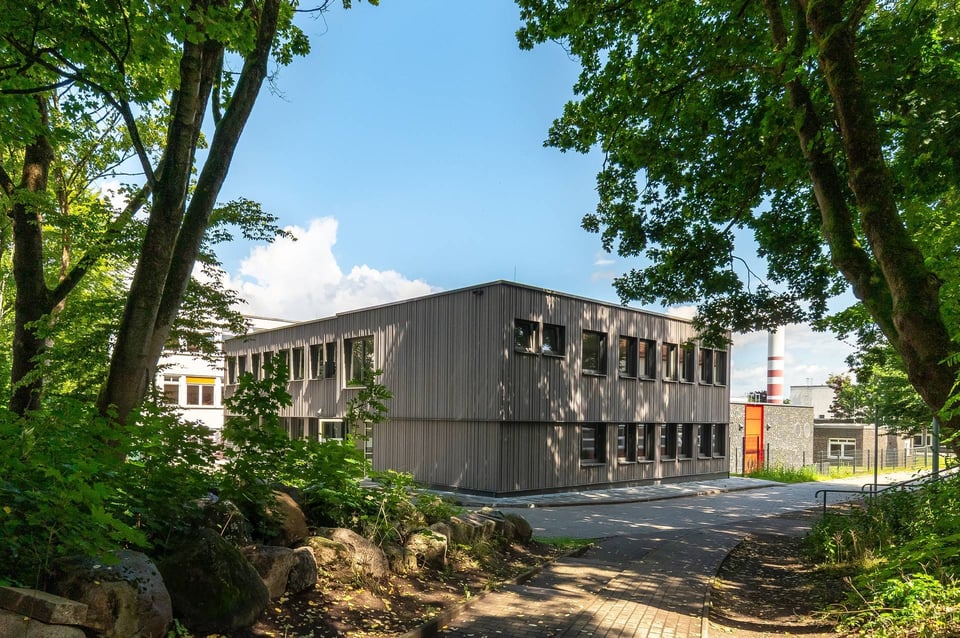
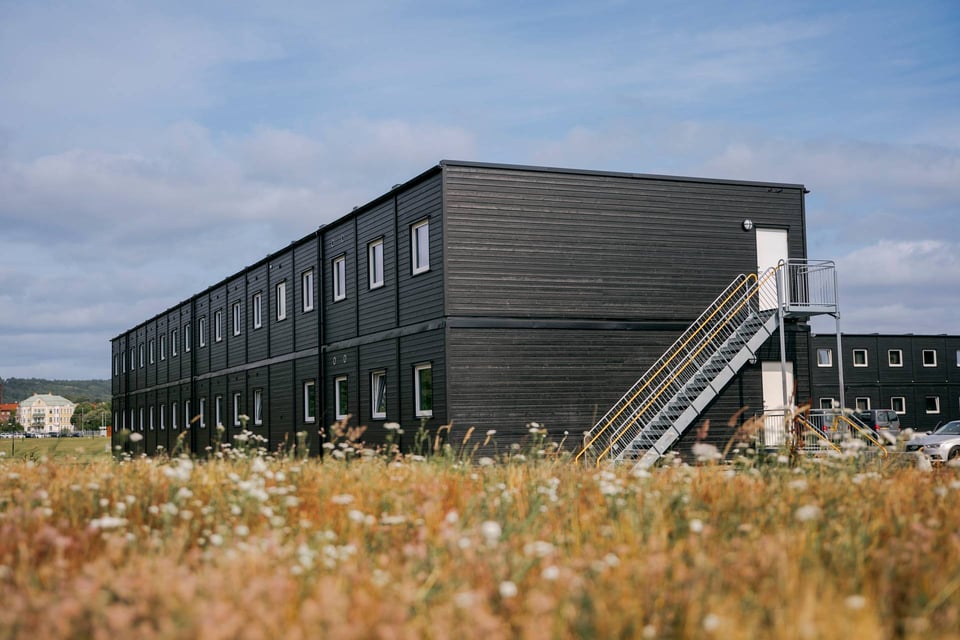
Modular building surrounded by greenery

Embodied carbon

Embodied carbon comes from materials, production, transport and installation. Our modular buildings use lightweight construction, efficient production methods and reusable modules to reduce the impact of creating new space.

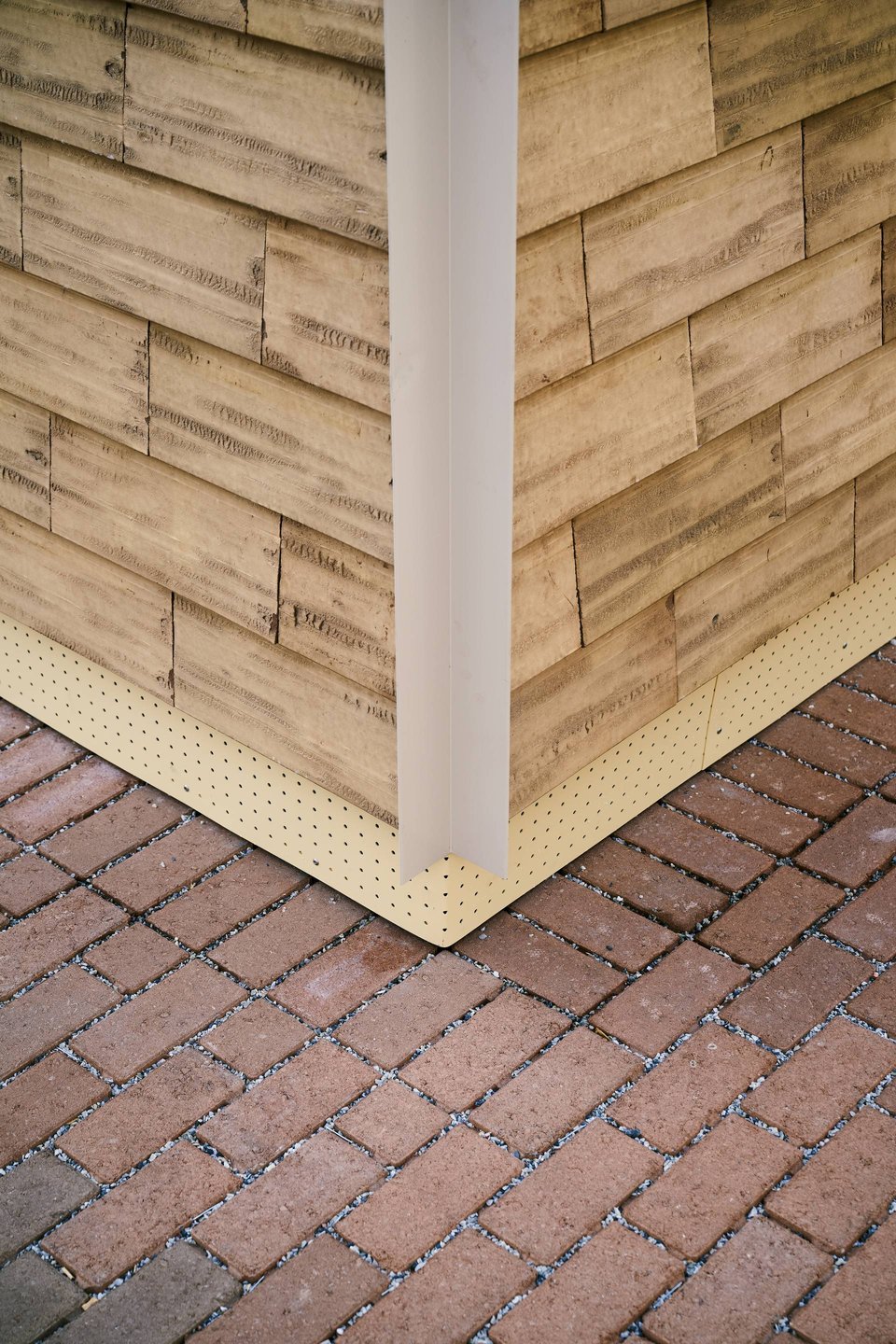
Wood also plays an important role. More than three quarters of Adapteo's fleet is wood based, helping keep biogenic carbon stored in buildings for longer.
Energy-efficient wooden modular building in use

Operational carbon

Operational carbon comes from energy use during the building's life. Our buildings can support efficient operation through insulation, airtightness, heat recovery ventilation and modern technical systems.

Depending on the project, they can also be equipped with solutions such as solar panels and digital monitoring.
Circular deployment of Adapteo modules

The circular model, reuse vs. demolition

Traditional construction is often linear:
Extract → Build → Use → Demolish → Landfill

Adapteo's model is different:
Manufacture → Install → Use → Relocate or refurbish → Reuse → Recycle

When a project ends, modules can be taken down, refurbished and used again somewhere else. That keeps materials in use and reduces the need to start from scratch.

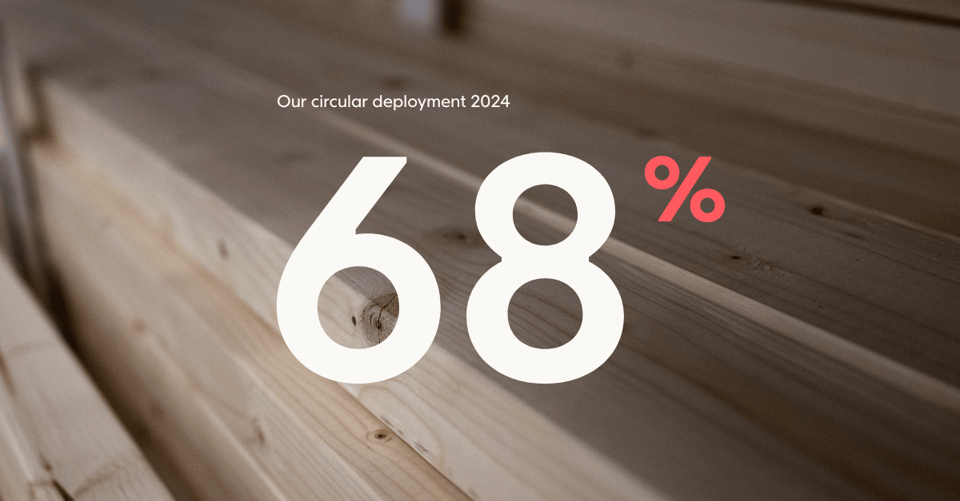
In 2024, nearly 68% of Adapteo's rental demand was met through circular deployment, mainly by redeploying existing modules.
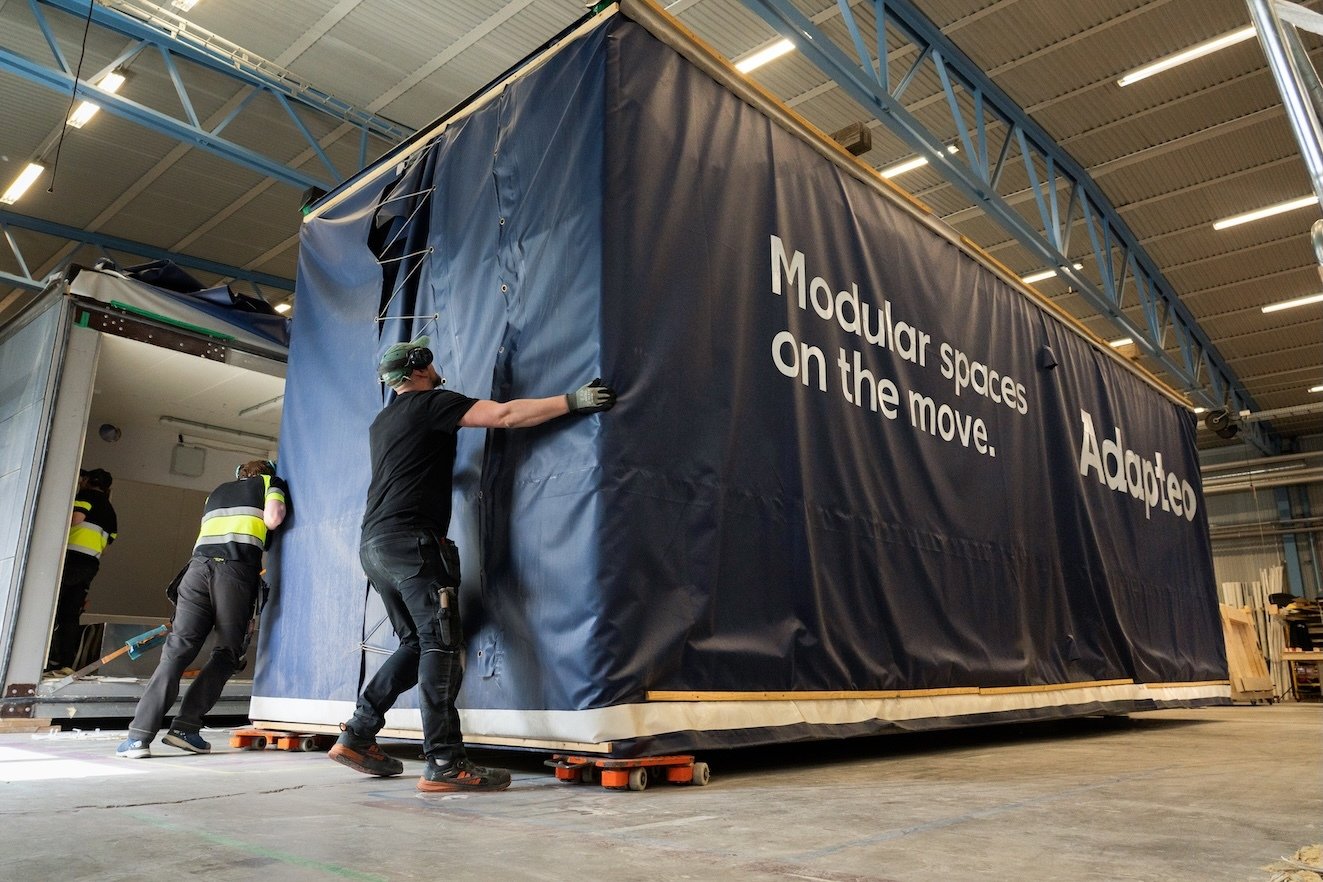
Circular Adapteo modular spaces and buildings ready for transport

Materials, energy and operations

Our modules are designed as building systems, not one-off products. When they return from a project, they are inspected, maintained and prepared for their next use.

Across our operations, we are also working towards fossil-free operations and transport by 2030 and zero waste to landfill.

FAQ – Sustainability

Quick answers about circularity, carbon impact and sustainability standards for modular buildings.

Are modular buildings less energy-efficient than permanent buildings?

No. Modular buildings need to meet the same building regulations and energy performance standards as permanent buildings. High insulation levels, efficient ventilation with heat recovery and modern technical systems support efficient energy use during operation.

How can modular buildings lower environmental impact?

Modular buildings can lower environmental impact when they are reused across several projects. Reuse reduces the need for new materials, helps avoid material waste and keeps building components in circulation for longer.

Can I get a BREEAM certificate for a temporary building?

Modular buildings can often support green building certification work, depending on the project and certification scope. Design, materials, energy performance and documentation all matter.

What does Net Zero by 2040 mean for me as a customer?

It means Adapteo is working towards net-zero greenhouse gas emissions across the value chain by 2040. For customers, it means choosing a credible supplier with validated climate targets and a building model based on reuse.

Adapteo specialist working on a modular building project

Make space with less waste

Our specialists can help you explore how modular buildings support climate targets and lifecycle reporting.